Melatonin For Dogs? Safety, Dosage and Use Cases (Vet Verified)

If your dog struggles with noise phobias, restless nights, or a bald patch that appears every autumn, you may have looked into melatonin. It is used off-label by vets for several conditions but isn’t a universal fix.
Melatonin For Dogs – The Short Answer
Melatonin is a hormone supplement used off-label to help manage seasonal flank alopecia, noise-related anxiety and sleep disturbances, particularly in older dogs. While generally considered to have a favorable safety profile, appropriate use depends on the condition being treated, correct dosing, and ruling out underlying illness first. Veterinary guidance is therefore mandatory.
Key Takeaways
- Melatonin is used off-label for seasonal flank alopecia, noise phobias, and sleep disturbances in senior dogs.
- Dosing varies by condition, from around 0.1 mg/kg for calming to higher doses for hair regrowth.
- Side effects are generally mild. However formal safety data in dogs, including drug interactions, is limited.
- Melatonin should never replace a veterinary diagnosis for unexplained hair loss.
- Monitoring your dog before and after starting melatonin helps you and your vet judge whether it’s working.
What Is Melatonin and How Does It Work?
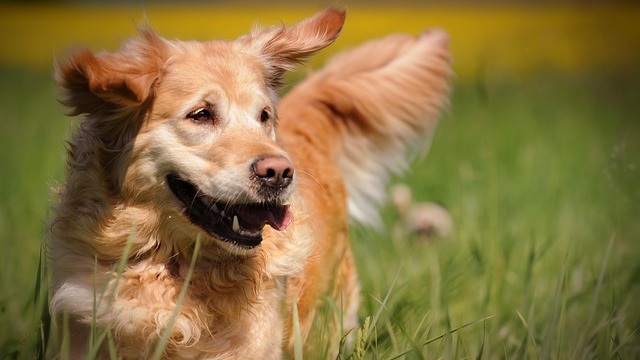
Melatonin is a hormone secreted by the pineal gland, released mostly at night, acting as a signal of darkness that regulates the sleep-wake cycle and functions as a potent antioxidant.
In dogs, it’s used in off-label therapies, most commonly for sleep and behavior disorders and non-allergic hair loss. It isn’t FDA-approved for these uses in dogs.
Can Dogs Take Melatonin?
Yes, but it should be prescribed and directed by a vet rather than given on guesswork. Veterinary literature describes three main applications of melatonin in dogs: seasonal flank alopecia, anxiety tied to noise or disorientation, and sleep disturbances in older dogs. For anxiety, it’s typically given about 30 minutes before a known trigger, like a thunderstorm. Some clinicians have also proposed it for sleep-wake disturbances tied to cognitive changes in senior dogs, though formal research here is limited.
“I got the Maven sensor for my 14-year-old Chihuahua mix with heart and trachea issues. It gave me back peace of mind – I can track her RRR, BPM, drinking, and activity anytime and know instantly if something’s wrong. Highly recommend!”

★★★★★
Chiara De Luca
Titti
Is Melatonin Safe for Dogs?
Melatonin has a relatively favorable safety profile compared with other sedatives, though formal safety data in dogs is largely unavailable.
It shouldn’t be used in dogs allergic to it, and caution is advised in dogs that are pregnant, nursing, used for breeding, have severe liver disease, or aren’t sexually mature. Several medications may also interact with it, including certain benzodiazepines, cimetidine, ciprofloxacin, estrogens, fluvoxamine, mexiletine, propofol, succinylcholine and warfarin.
A controlled study of melatonin as a calming premedication before anesthesia found no adverse effects on cardiovascular parameters or hemodynamics, even at 5 mg/kg, with tiredness being the only reported effect. It also reduced the propofol dose needed for anesthesia induction.
Melatonin Dosage for Dogs: What Owners Should Know
There is no single, agreed-upon dose of melatonin for dogs. The BSAVA Small Animal Formulary lists 3-6 mg orally every 8 hours for hair cycling disorders like Alopecia X, with a 4-6 week trial and discontinuation if no regrowth occurs. Studies have used doses from 6 mg per day (one Boxer, full regrowth by 4 months) to 1.0–6 mg/kg once or twice daily over 3-4 months, with mixed results. A 2025 dose-response study in Pomeranians with Alopecia X notes clinical use overall spans roughly 0.1–1.7 mg/kg. For sleep promotion, a critical care review presented at the 2021 EVECC congress suggests around 0.1 mg/kg about 30 minutes before desired sleep onset, though this hasn’t been formally studied in hospitalized dogs. For calming before anesthesia, another study used 5 mg/kg about 2 hours beforehand.
Because oral bioavailability of melatonin in dogs isn’t well established and formulations vary, don’t extrapolate a dose from a human supplement. Your vet can determine the right dose for your dog.
What Are the Side Effects of Melatonin in Dogs?
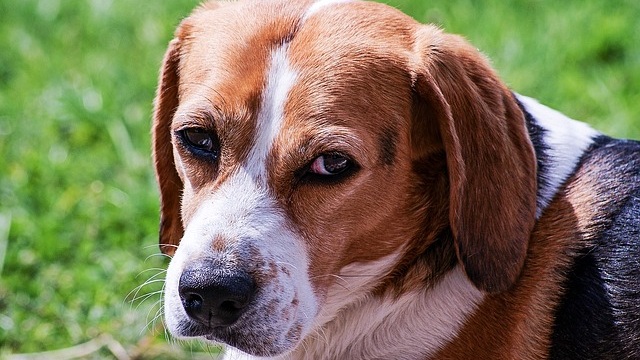
Melatonin has relatively few reported side effects when dosed correctly. Occasional upset stomach or cramps, increased heart rate, itching and confusion have been reported, along with sleepiness, weight gain and changes in fertility. Sensitivities can develop over time, so watch for reactions throughout treatment.
The same 2025 dose-response study in intact male Pomeranians also found a slight, non-significant decrease in the testosterone-to-oestradiol ratio at higher doses, a reminder that hormonal effects in intact animals are still being studied.
When Should You Talk to Your Veterinarian?
Because non-pruritic alopecia of unknown cause can have several origins, the BSAVA Formulary specifically recommends ruling out the underlying disorder before starting melatonin for hair loss, rather than assuming it’s cosmetic. Melatonin should always be prescribed and directed by a vet, especially if your dog is pregnant, nursing, intended for breeding, has severe liver disease, isn’t sexually mature, or takes other medications.
How Maven Helps
“Melatonin can be helpful for some dogs when used appropriately, but it’s not a one-size-fits-all solution. Monitoring changes in your dog’s behavior, sleep and overall health helps determine whether an intervention is beneficial or whether further veterinary evaluation is needed.” – Joana Babo, DVM, Veterinarian at Maven Pet
Because melatonin’s effects vary by dog and condition, objectively tracking what changes matters. The Maven pet health tracker is built for this before-and-after comparison.

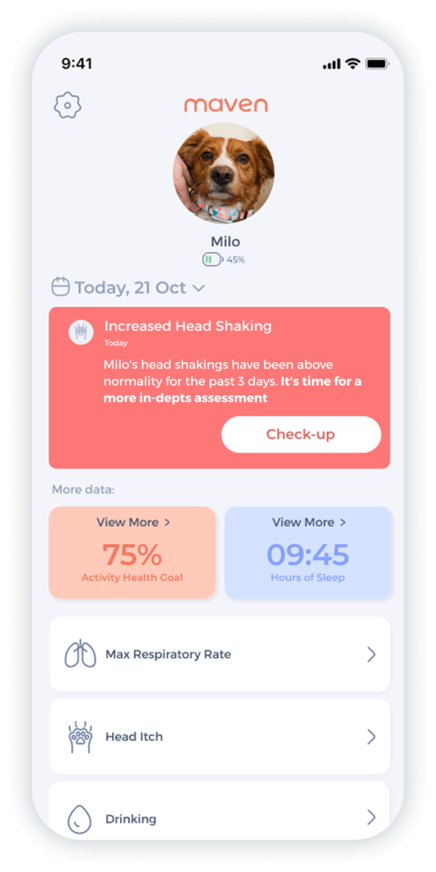
Monitor heart rate, respiratory rate, activity & rest, drinking, itch behavior.
Maven’s dog activity tracker monitors activity, helping spot excessive sedation or genuine improvements in restlessness. Since sleep disturbances are a main use case for melatonin, the dog sleep tracker lets owners evaluate real changes in sleep quality and duration, rather than a general impression.
Maven also measures heart rate trends, tracks resting respiratory rate for physiological changes worth a vet’s attention, monitors head shaking and tracks water intake, which can deviate in response to stress. This builds a personalized baseline, with alerts on meaningful deviations. Pairing the Maven dog health tracker with its pet health app makes it easy to log changes and share trends with your vet.
FAQ (Vet-Reviewed)
Yes, for conditions like seasonal flank alopecia, noise-related anxiety, and sleep disturbances, but always under veterinary direction.
Generally favorable, but formal data on contraindications and interactions in dogs remains limited.
There’s no single standard dose. Reported doses range from around 0.1 mg/kg to much higher doses. Your vet should determine the right dose.
Upset stomach, increased heart rate, itching, confusion, sleepiness, weight gain and changes in fertility, generally mild when dosed correctly.
Avoid it in dogs allergic to it, and use caution if a dog is pregnant, nursing, used for breeding, has severe liver disease, or isn’t sexually mature.
Conclusion
Melatonin for dogs can be a useful, well-tolerated tool for conditions like seasonal flank alopecia, noise phobias, and certain sleep disturbances, but it isn’t one-size-fits-all. Because formal safety data is still limited in some areas, working with your vet to confirm the right diagnosis and dose is essential. Dosing depends heavily on what’s being treated. Tracking your dog’s activity, rest and other health trends before and after starting melatonin can help you both see clearly whether it’s actually helping.
Maven Pet focuses on improving the quality of life of our pets with technology, using artificial intelligence (AI) to enable proactive pet care. By accurately collecting and monitoring pet data 24/7 and flagging any irregularities, Maven Pet empowers pet parents and veterinarians to stay ahead of potential health issues, ensuring the well-being and longevity of our beloved companions.